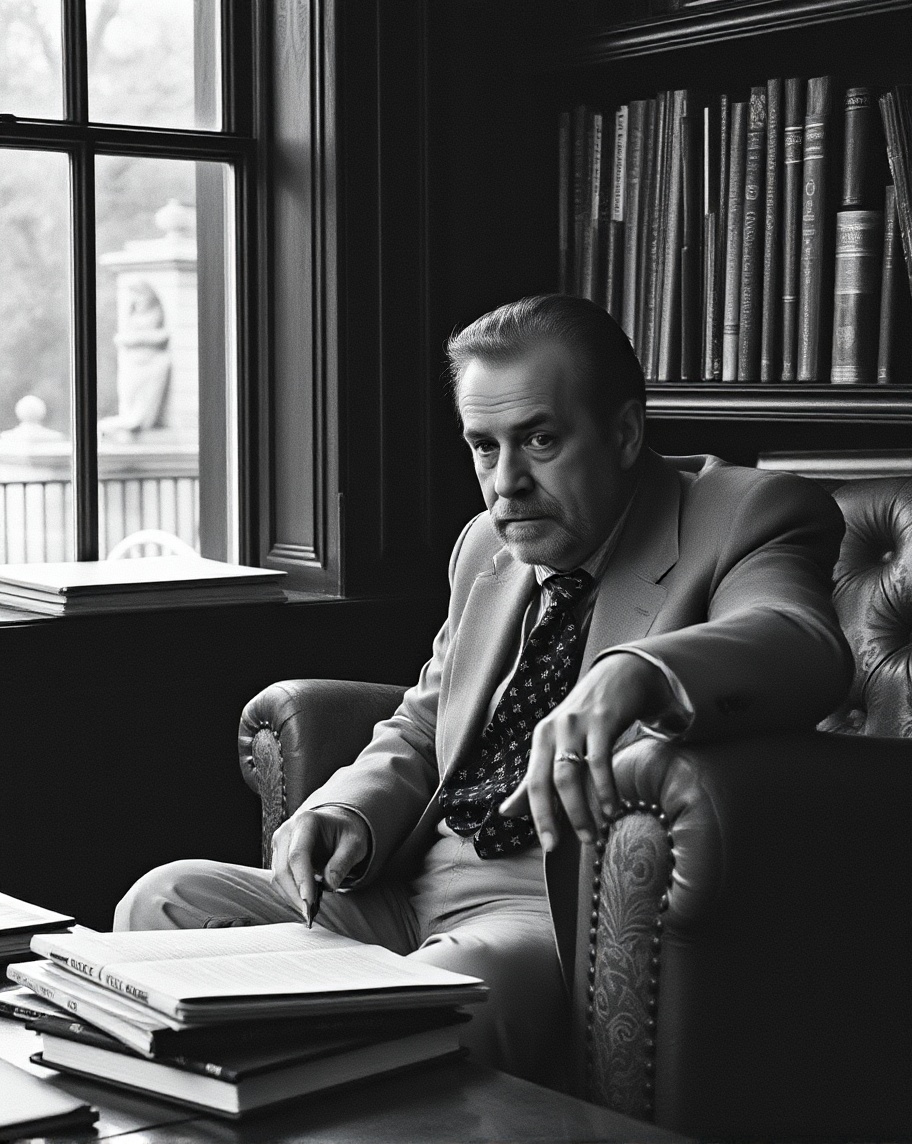
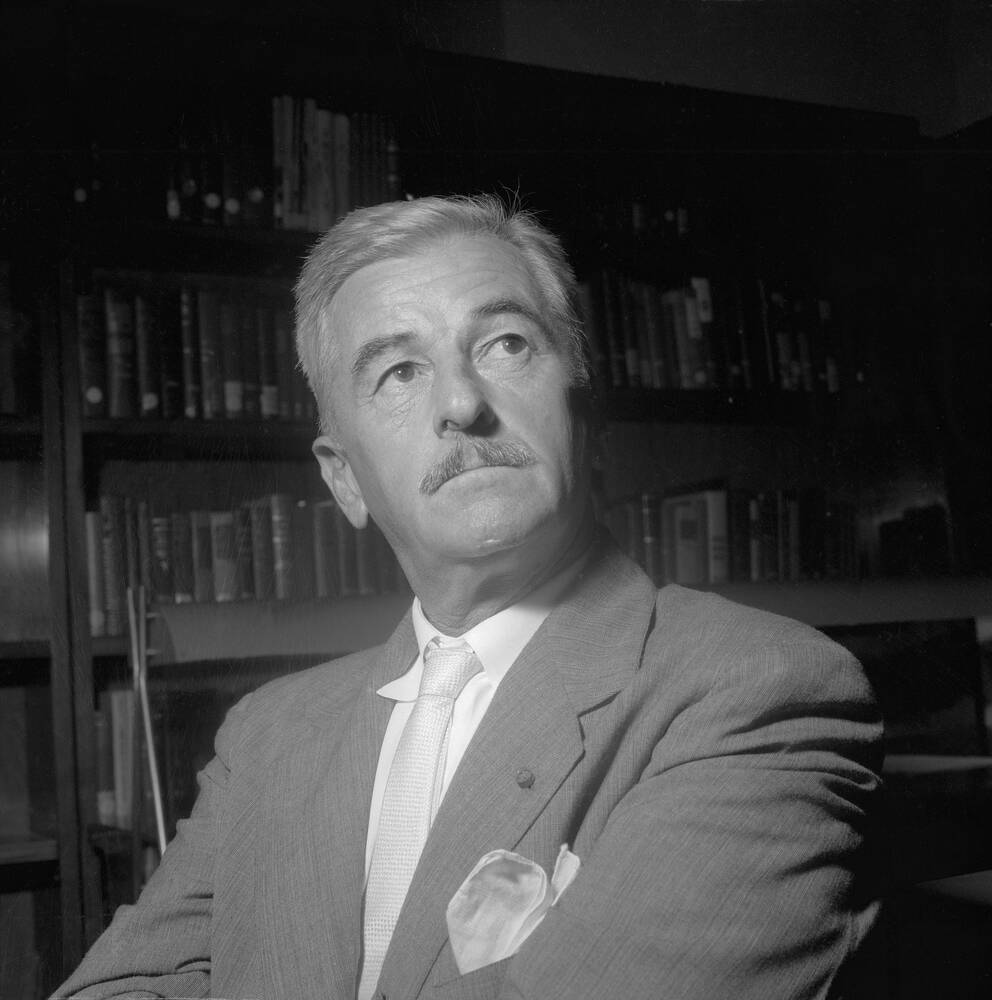
William Faulkner
Dive deep into the lives and works of three literary titans. Understand what made them great and how their personal journeys shaped their timeless stories.
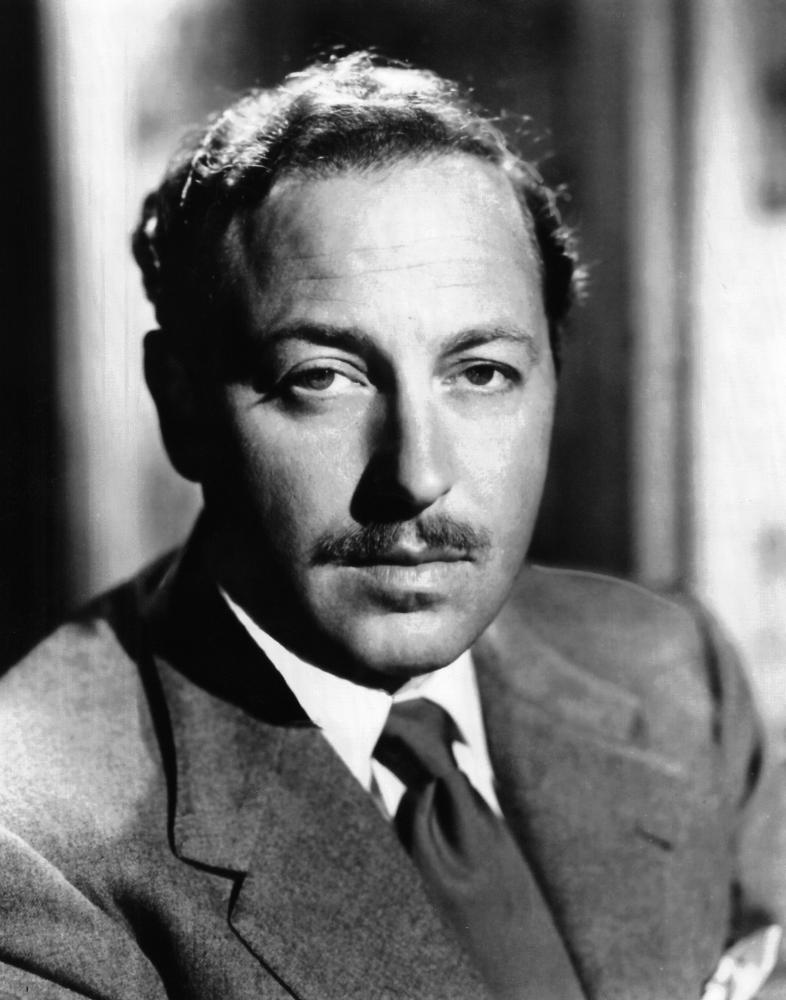
Tennessee Williams
Analyze real excerpts from their most iconic works. See exactly how they crafted sentences, built tension, and created characters that still resonate today.
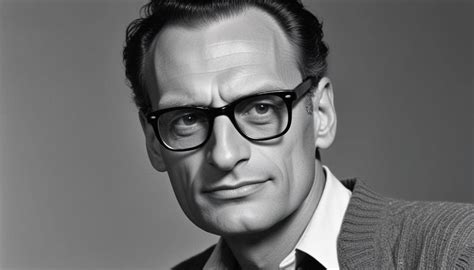
Arthur Miller
Complete hands-on exercises designed to help you apply their techniques to your own writing. Start writing better—today.
What Three Literary Giants Can Teach You About Better Writing
What can William Faulkner, Tennessee Williams, and Arthur Miller teach a modern writer? Quite a lot, as it happens. These three extraordinary authors transformed fiction and drama by refusing to settle for flat characters, predictable emotions, or ordinary storytelling. They explored memory, family, desire, guilt, ambition, conflict, humor, tragedy, and the complicated ways people hide the truth from themselves and each other. In this course, you'll study their techniques not as a literary historian, but as a writer. You'll discover what made their work powerful, why their influence is still felt today, and, most importantly, how you can adapt their techniques to strengthen your own stories. Learn From Faulkner William Faulkner created characters with extraordinary psychological depth. His people are shaped by family, memory, history, contradiction, pride, prejudice, regret, and the past they cannot quite escape. You'll explore how Faulkner combines realism with humor, how he uses different perspectives to reveal character, and how seemingly ordinary people can become fascinating when we understand the history behind their behavior. You'll also create your own detailed character sketch inspired by his approach, helping you move beyond surface-level characterization and discover what really makes fictional people feel alive. Discover the Power of Tennessee Williams Tennessee Williams changed dramatic dialogue forever. His characters rarely say exactly what they mean. Instead, they hide behind jokes, beautiful language, anger, flirtation, politeness, fantasy, and silence. That makes his dialogue intensely human. You'll explore Williams's distinctive use of words, rhythm, subtext, emotion, and individual character voice. You'll learn how to create dialogue in which two people can apparently discuss one subject while arguing emotionally about something completely different. You'll then put those techniques into practice by writing dialogue that reflects your own voice rather than simply copying somebody else's style. Explore Emotion and Consequence With Arthur Miller Arthur Miller understood that the most powerful drama often grows from ordinary people facing extraordinary emotional pressure. His characters struggle with pride, guilt, responsibility, ambition, disappointment, family expectations, and the consequences of decisions made long ago. You'll examine how Miller creates complex emotions without relying on melodrama, as well as his innovative use of memory, time, realism, and dramatic structure. You'll then experiment with a series of short emotional sketches designed to strengthen your ability to write fear, regret, anger, guilt, hope, and moral conflict. Find Your Own Writing Style The purpose of studying great writers is not to imitate them. It is to understand what they did well, experiment with those techniques, and discover what works for you. Throughout the course, you'll reflect on your own instincts as a writer. Perhaps you naturally lean toward Faulkner's psychological complexity. Maybe Williams's dialogue and subtext excite you. Perhaps Miller's emphasis on choices and consequences suits the kinds of stories you want to tell. You may even discover that your own style combines elements of all three. The goal is to become more conscious of how you write and more confident about the creative choices you make. Build Your Own Writing Portfolio This is not a course where you simply read about famous writers and move on. You'll write. You'll create character sketches, dialogue scenes, emotional exercises, reflections, and new pieces inspired by the techniques you study. By the end of the course, you'll bring these exercises together into a personal writing portfolio that demonstrates your progress and highlights the strengths emerging in your work. You'll also identify areas you want to develop further, giving you a clear sense of where your writing can go next. Inside the Course You'll Explore You'll discover the literary context and lasting influence of William Faulkner, Tennessee Williams, and Arthur Miller while examining the practical techniques behind their work. You'll learn how to define your own writing goals, create psychologically rich characters, use humor and realism effectively, develop distinctive dialogue, master subtext, portray complicated emotions, experiment with dramatic form, and make character choices produce meaningful consequences. Along the way, you'll complete practical writing exercises designed to turn literary inspiration into skills you can actually use. This Course Is For You If... * You love learning from great writers but want something more practical than literary analysis. * You want stronger characters. * You want dialogue that sounds individual rather than interchangeable. * You want to write emotion without becoming sentimental or melodramatic. * You want your characters' pasts to influence their present. * You want conflict to carry real consequences. * Above all, you want to develop a writing style that feels increasingly like your own. Three Masters. Dozens of Techniques. One Developing Writer: You. Faulkner, Williams, and Miller became influential because each discovered a distinctive way of telling stories about human beings under pressure. Their methods were different, but their commitment was the same. They looked closely at people. They understood contradiction. They trusted their audiences. And they developed voices nobody could mistake for anyone else's. Now you can study what they achieved and use those lessons to strengthen your own writing. You don't need to become the next Faulkner, Williams, or Miller. You need to become a better version of the writer you already are. Join the course today and discover what three of America's greatest literary voices can teach you about character, dialogue, emotion, conflict, and finding a distinctive voice of your own. Start the course today - and Keep Writing!
Ready to Write Like these Masters?
Stop wondering what separates good writing from great. Get direct access to the techniques, insights, and exercises that will transform your work. Your best writing is waiting on the other side.
$7.00
What You'll Learn
-
-
(Included in full purchase)
Introduction to the Greats
-
(Included in full purchase)
Setting Goals for Your Writing Journey
-
(Included in full purchase)
-
-
(Included in full purchase)
Faulkner's Realism and Humor
-
(Included in full purchase)
Writing Exercise: Crafting Relatable Characters
-
(Included in full purchase)
-
-
(Included in full purchase)
Tennessee Williams Influence on Writing
-
(Included in full purchase)
Writing Exercise: Your Own Streetcar
-
(Included in full purchase)
-
-
(Included in full purchase)
Miller's Unique Voice and Themes
-
(Included in full purchase)
Writing Exercise: Short Sketches with Big Impact
-
(Included in full purchase)
-
-
(Included in full purchase)
Developing Your Unique Voice
-
(Included in full purchase)
Creating a Writing Portfolio
-
(Included in full purchase)
Recommended Reading and Resources
-
(Included in full purchase)
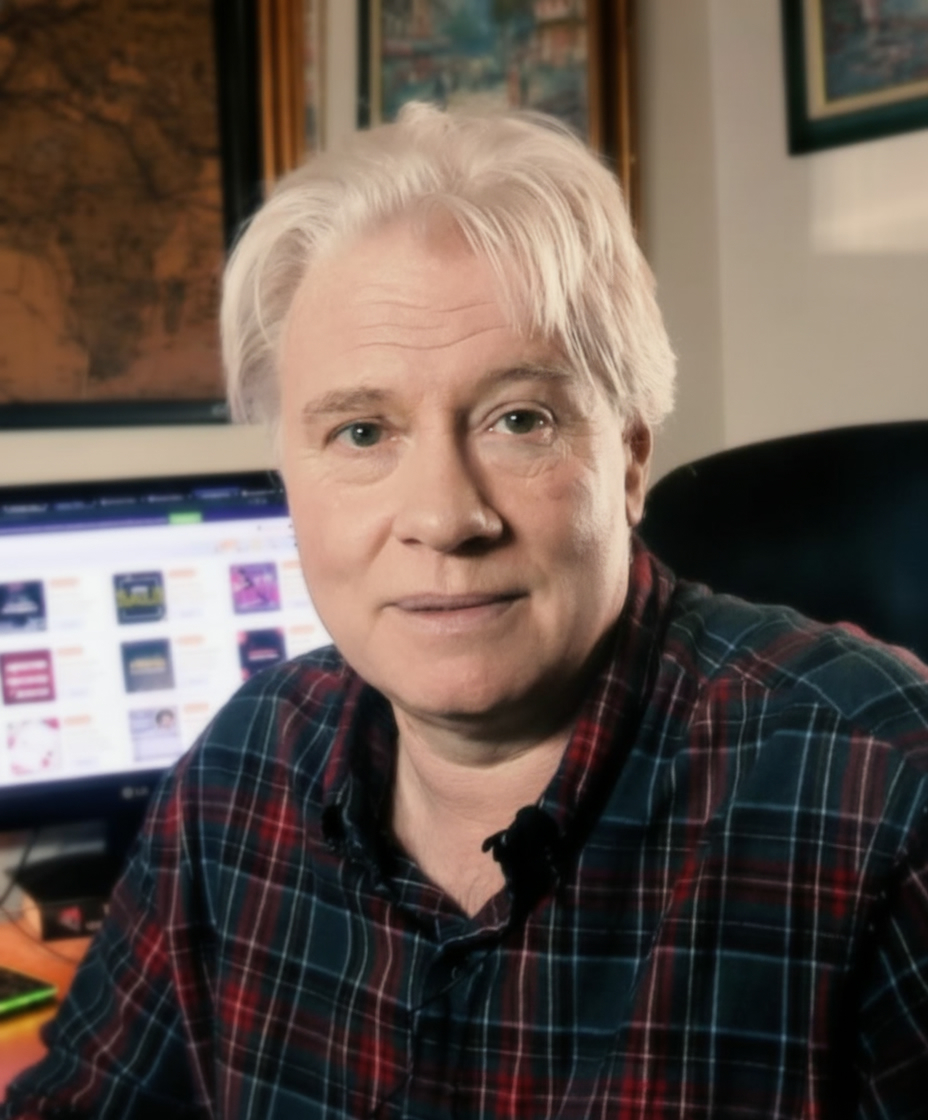
About Your Instructor
I've spent many years studying American literature and helping writers find their voice. My passion has always been connecting writers with the masters—showing them that great writing isn't magic, it's craft. It's technique. It's learning from those who came before us. I created this course because I saw too many talented writers giving up, thinking they didn't have 'it'—that special something. But here's what I know: every great writer studied the greats. They read obsessively, analyzed techniques, and deliberately practiced what they learned. My goal is to make that journey faster, clearer, and more actionable for you. By breaking down the work of these three literary giants and giving you the tools to apply their lessons, I want to help you become the writer you know you can be.